Why I Created Tales from the Tarot


People often ask me where the idea came from.
The answer is a little unusual.
It began nearly forty years ago, long before I thought of myself as a fantasy writer. I was simply a young woman with a tarot deck and a habit of sitting outside cafés with a cup of tea — shuffling my cards, watching the world go by.
Sooner or later, somebody would notice.
"Do you do the cards?"
And then, almost inevitably: "Will you do mine?"
I never charged. That wasn't really the point. What fascinated me was the conversation that followed. People would sit down and tell me their stories. Their worries, their hopes, their heartbreaks, their dreams.
And over time, one part of the tarot began to fascinate me more than any other.
The Court Cards. The Pages, the Knights, the Queens, the Kings.
Whenever they appeared in a reading, they seemed strangely elusive. Unlike the Major Arcana — which often felt quite direct — the Court Cards shifted and changed depending on who was asking the question.
Were they a real person in the querent's life? An aspect of themselves? Someone about to arrive? A quality they needed to develop? An invitation to become something more than they currently were?
The more I worked with the cards, the more I became fascinated. Because somehow, the answer always seemed to be yes. The Court Cards occupied several places at once. They were people, possibilities, warnings and aspirations. They reflected who we were and who we might yet become.
I loved them.
Then life carried on, as life does.
There were careers and relationships, triumphs and disappointments, moments of certainty and long stretches of not quite knowing where I was heading. Joys and griefs, successes and failures. In other words: life.
Looking back now, I don't think I was ready to write Arcanis then. I understood the cards well enough — their symbolism, their traditional meanings. But I didn't yet understand enough about people. Not really.
Some lessons can only be learned by living them.
Justice means something different after you've experienced injustice. Mercy means something different after you've needed forgiveness. Hope means something different when it's the only thing you have left.
Without realising it, I was gathering the raw materials that would eventually become my stories.
Then came lockdown.
As a ballroom dance teacher, my working life stopped almost overnight. Like so many people, I suddenly had something I hadn't had in years.
Time.
And in that silence, old questions began to return.
I found myself thinking about those mysterious Court Cards again — and one day, a thought arrived that changed everything.
What if they were real?
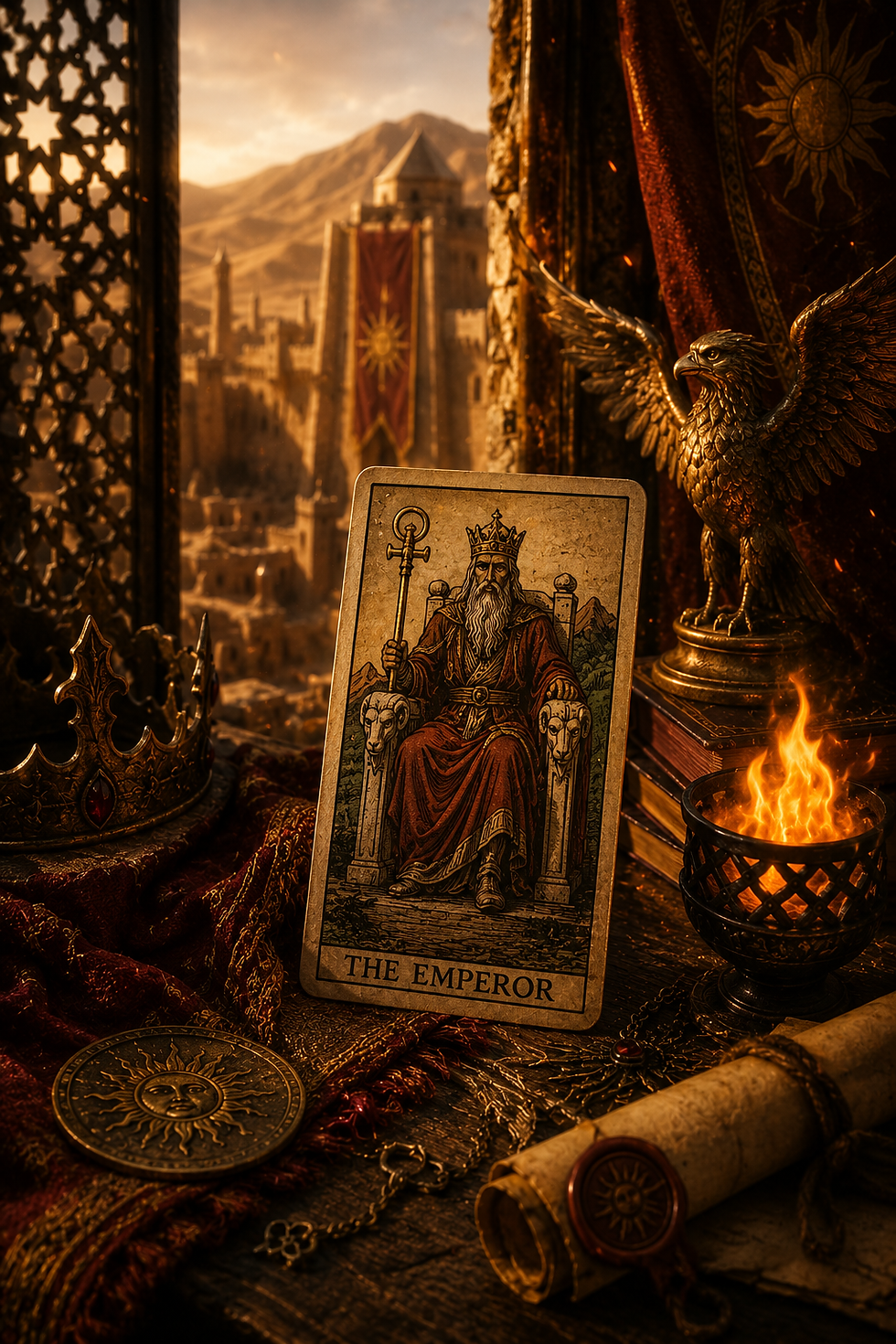
Not symbols. Not archetypes printed on card stock. Not figures trapped inside a deck. What if they were actual people?
What would the Queen of Swords be like if she walked into a room? What would she fear? What would she love? What would she sacrifice? What kind of man becomes the King of Swords? What would happen if the Knight of Wands had to confront the darker, reversed aspects of his own nature?
Somebody must have done this already, I thought. Somebody must have taken the Court Cards and brought them to life through fiction.
So I went looking.
And I couldn't find it.
There were books about tarot. Books that used tarot imagery. Books that featured tarot readers. But nobody had built an epic fantasy world around the Court Cards themselves.
That was the moment Tales from the Tarot was born.
Not as a business plan. Not even as a series. As a question — one that had been quietly following me around for almost forty years.
What if the people inside the cards were real?
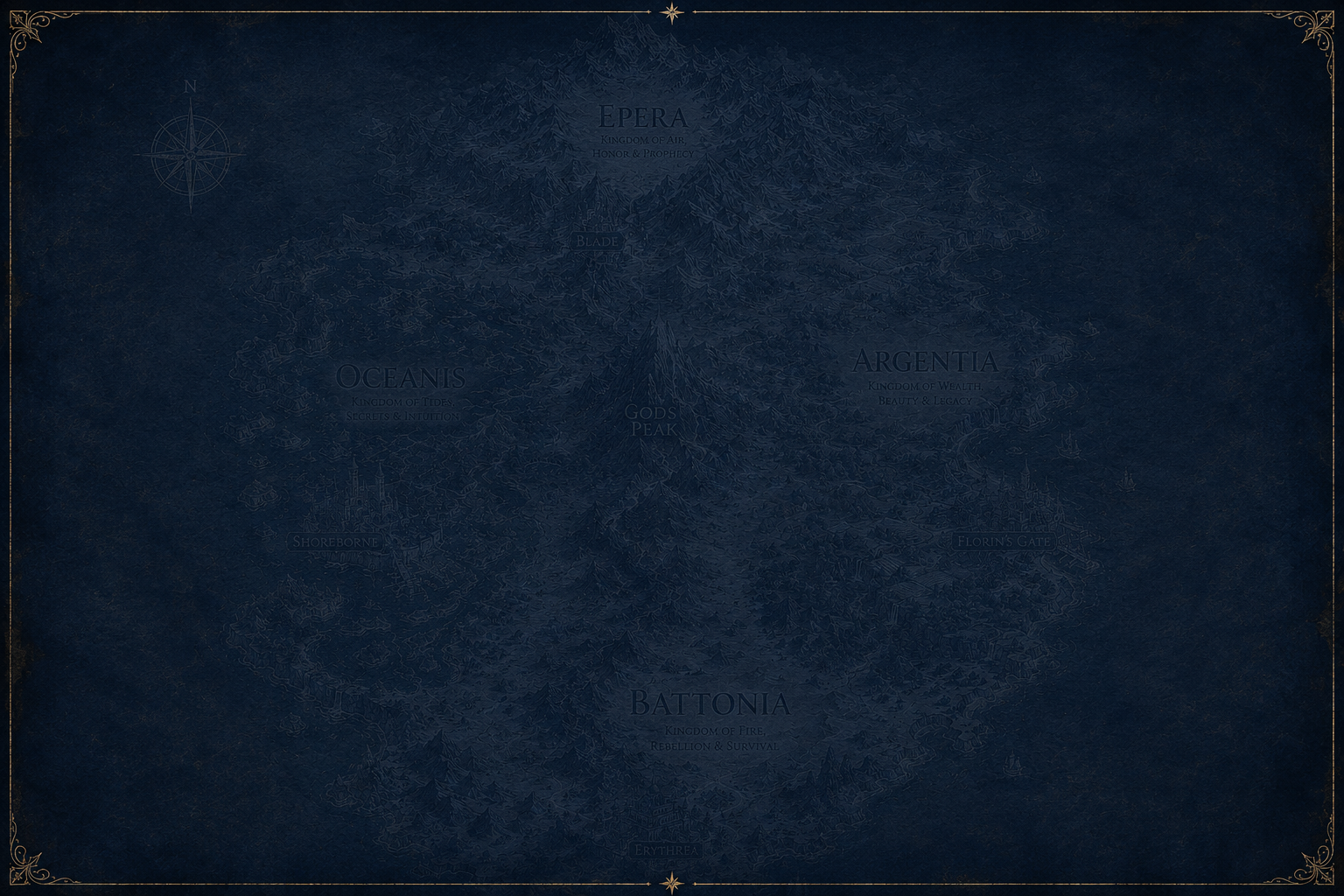
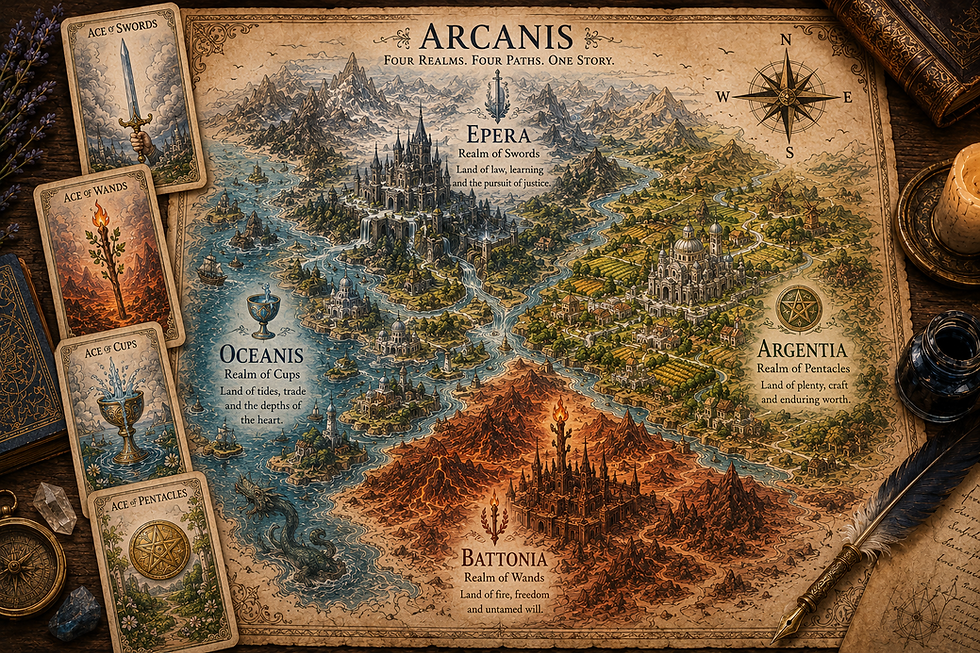
From that single question came Arcanis. A world where the Court Cards rule kingdoms. Where the qualities of the tarot suits become cultures, histories, religions and systems of magic. Where Justice and Mercy become forces capable of shaping nations. Where a Queen of Swords can be a scholar, a survivor and a reluctant queen. Where a Knight of Wands can become a rebel. Where a Page of Wands can lose everything and still carry the eternal flicker of hope.
Last year, I attended a writers' retreat in Malaysia with my editor, Natasha Rajendram. As it happened, every other attendee cancelled. What followed was one of the most extraordinary experiences of my writing life — instead of a group retreat, I spent several days working one-to-one with Natasha.
One of the first exercises she gave me was about archetypes.
I remember laughing.
Because suddenly I realised that the questions I'd been asking since those café days had a name. Archetypes. The timeless patterns that appear in myths, dreams, stories and human lives.
Natasha knew I would love that exercise. She'd chosen it deliberately, because she understood what fascinated me. And she was right — because archetypes had always been the hidden heart of Tales from the Tarot. The tarot was simply the doorway through which I entered them.
These days, when people ask me whether Tales from the Tarot is about fortune-telling, I usually smile.
Not really.
It's about people. Courage and fear. Justice and mercy. Faith and doubt. Power and responsibility. The choices we make and the people we become.
The tarot gives me a language rich enough to explore those questions. Fantasy gives me a world in which to ask them.
And perhaps that's why the Court Cards still fascinate me after all these years. I still don't believe there's a single answer to who they are. People. Possibilities. Invitations to become something more.
Or perhaps all of those things at once.
Whatever the answer, I'm very glad I finally lived long enough to write their stories.

Comments